Operational notes
Operational notes.
Guides and insights from the field: optical fibre, networks, IT and AI applied to infrastructure. No jargon, no promises.
-

F and T are not EI: what a spec that only cites L.32 is missing
ITU-T L.32 points to the American ASTM E814 test, with F and T values. Italy’s fire prevention code classifies penetration seals as E and EI, per EN 13501-2 and EN 1366-3/4. Two different yardsticks, no conversion table: what to put in the spec.
-

Before the customer exists: what ITU-T Y.1564 actually tests
ITU-T Y.1564 (02/2016) and Corrigendum 1 (06/2021) define an out-of-service test, run before delivery: which Tperiod was bought, why limits only bind up to the CIR, and the burst method left explicitly undefined.
-

The board that outlives testing: the CCT in a fibre network contract
Above the EU threshold, the technical advisory board must be set up within ten days of the start of works, not at the first dispute. And if a reservation is entered against testing, the board does not dissolve: it rules on that too.
-
When does decommissioned cable become toxic and dangerous waste? ITU-T L.24, table by table
ITU-T L.24 (11/2009), in force, classifies outside-plant waste as toxic and dangerous only where two tables intersect: what the site record has to capture for that classification to hold up under a check.
-

A tier above PUE: the global KPI in ETSI EN 305 200-3-1
ETSI EN 305 200-3-1 (V1.1.1, 2018-02): KPI_DCEM combines consumption, re-use and renewable energy into one banded indicator — with a declared penalty on every measurement point.
-

Cabling at 3%, supply at 5%: a fibre network’s price revision has no single threshold
Article 60 of Legislative Decree 36/2023 sets two different thresholds and percentages for works and supplies in the same contract: the specification must say which service sits on which side, which index measures it, and who produces it.
-
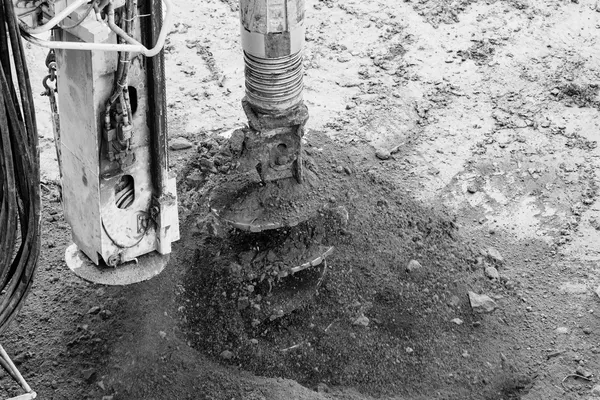
The rig stalls halfway through the bore: the ground should have been surveyed first, not discovered mid-drive
ITU-T L.257 asks for three categories of ground data before any trenchless technique; L.152 then picks the technique to fit that ground. Renumbered in 2016, both are still downloadable only as L.39 and L.38.
-
A third-party transponder on someone else’s DWDM line: what gets measured, and where?
ITU-T G.698.1, G.698.2 and G.698.4 do not ask for a declaration of compatibility: they fix the black link parameters and measure them at points SS and RS.
-
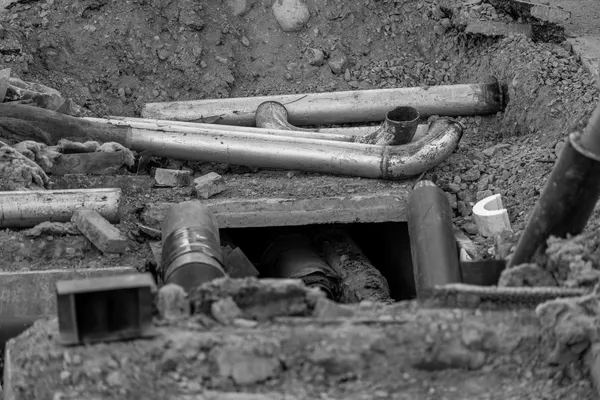
Which CAM applies to a fibre network installation and testing tender?
Article 57 of Legislative Decree 36/2023 makes minimum environmental criteria compulsory, but no CAM is written for fibre: the building one reaches the ducts, the ICT one stops at the desktop.
-

Empty duct: the test the specification must demand on record
ITU-T L.100 requires the duct to be *proved* before any installation, but does not say how: gauge, actual depth and warning tape (Decree of 1 October 2013) belong on record before backfill.
-

The control room used to have a class of its own. Since May, that class doesn’t exist
ETSI EN 300 019-1-3 V3.1.1: six environmental classes become three, the class written for telecom control rooms disappears, and the data hall stays in the same class as an office. The companion test standard is still out for public enquiry.
-

«Anche non contemporanea»: the three words that decide whether a fibre site needs a safety coordinator
Legislative Decree 81/2008, Article 90: when more than one contractor on site, even if not simultaneous, triggers the safety and coordination plan, and how it fits with the POS and with the DUVRI under Article 26.
-

The splice loses 0.03 dB and passes testing. Then it breaks: the missing proof isn’t optical
ITU-T L.400/L.12: the cleave defect no loss measurement ever sees, the tensile proof test the splicer runs on its own on every splice, and why a value within threshold is not enough.
-

“N+1” in a spec: ITU-T L.1202 calculates it, it does not test it
ITU-T L.1201 and L.1204 draw six redundant configurations for up to 400 VDC power feeding; L.1202 even compares Uptime Institute Tier figures — yet it all stays a calculation. What a specification must add before that redundancy counts as proven.
-

Common mesh or isolated island? What ITU-T K.27 says about earthing layout inside the building
ITU-T K.27 (03/2015): common bonding network or isolated bonding network, the roughly two-metre SPC window where cable shields and DC returns must pass, and why it belongs in the specification before cable trays and conduits go up.
-

A cable without support crosses on its own; add one pole and you need an easement
Articles 51-53 and 55 of Legislative Decree 259/2003: when a cable crosses someone else’s land without consent, and when an imposed easement is required instead, with a design, an indemnity and a timeline the specification has to carry.
-

Who guarantees the fibre is dead? Not whoever is opening it
ITU-T G.664: the automatic shutdown and restart logic when an optical link breaks, and Title VIII Chapter V of Italy’s decree 81/2008 on who decides a fibre is truly off.
-

The information specification that Article 43 of the Procurement Code requires above 2 million euro
Article 43 of Legislative Decree 36/2023 and Annex I.9 require digital methods and open formats above 2 million euro: what a network contract’s information specification must contain.
-

Data centre noise: why the absolute limit rarely stops it
Law 447/1995 and the DPCM of 14 November 1997: the three quantities of noise regulation — emission, absolute immission, differential — and why, at a data centre, it is almost always the differential criterion that gets breached, not the absolute limit.
-

Different mode field, different splice: when the OTDR lies in one direction only
ITU-T G.652 and G.657: the real mode field diameter tolerances, why a splice between different fibres can read as a gain, and what to write when two suppliers meet.
-

Wells, excavations and tunnels: the safety clauses a specification must set before the trench closes
Legislative Decree 81/2008, arts. 118-121: shoring as digging proceeds, wells over 3 metres, gas in tunnels. The thresholds to write into the specification before backfill.
-

Does your data centre’s cooling pass the test? ITU-T L.1322 says how to measure it
ITU-T L.1322 (12/2025): the SHI, RTI and RCI indices for checking whether a data centre’s cooling and containment actually work, not just whether PUE checks out.
-

When can a fibre network be called handed over? Testing under Italy’s Procurement Code
Article 116 of Legislative Decree 36/2023 sets out testing, conformity verification and the certificate of proper execution: where the proof of handover actually sits.
-

What voltage must a central-office device withstand? What EN 300 132 says about ICT power supply
The ETSI EN 300 132 family sets the voltage range — −48 V DC, up to 400 V — an ICT device must withstand without failing: what to put in a specification, and what proves it.
-

Was the cable bitten by a rodent? The standard tells you how to recognise it, not how much it must withstand
ITU-T L.161 (formerly L.46) describes biological attacks on buried cables and the known countermeasures: no numerical threshold, unlike ITU-T L.101.
-

Whoever works for a NIS entity sits inside its risk perimeter: Decree 138 writes it into Article 24
Legislative Decree 138/2024 requires NIS entities to secure their supply chain: whoever digs, splices and measures fibre for them sits inside the perimeter, and the specification is the only way to comply.
-

Encircled flux: the launch condition the data centre specification doesn’t write
A multimode attenuation value without launch condition, IEC method and rounding rule isn’t verifiable: what ITU-T G.651.1 states, and where it points instead.
-

How precise is the network map? It depends on which GPS made it
ITU-T L.94/L.262: geo-referenced network maps, GNSS or differential positioning, ID tags and element status. What to write into the specification, item by item.
-

The cable that crosses a river: is its real position written down anywhere?
ITU-T L.29 (ex L.431): the marinized terrestrial cable for water crossings, the as-laid report and the maintenance/repair log — where they actually end up.
-

Who holds the title to supply a fibre network? The general authorisation the specification never checks
Italy’s Electronic Communications Code (Art. 11) makes supplying a fibre network subject to a general authorisation: where the proof sits, before you sign.
-
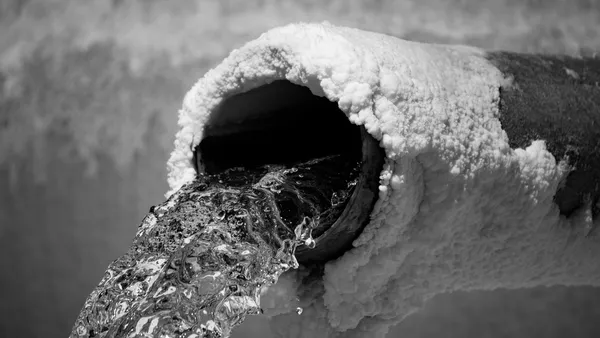
Floating installation: the cable is pushed by water, but how many metres of duct actually take it?
ITU-T L.157 (ex L.61): the cable is installed in a duct pushed by water, not air. Maximum lengths in Table 1, and where the answer for your duct is written.
-

Who can carry out a public fibre-network contract? Italy’s Procurement Code on contractor requirements
Legislative Decree 36/2023 sets special requirements, abnormal-tender checks and subcontracting rules for a public fibre-network contract: where the proof sits.
-
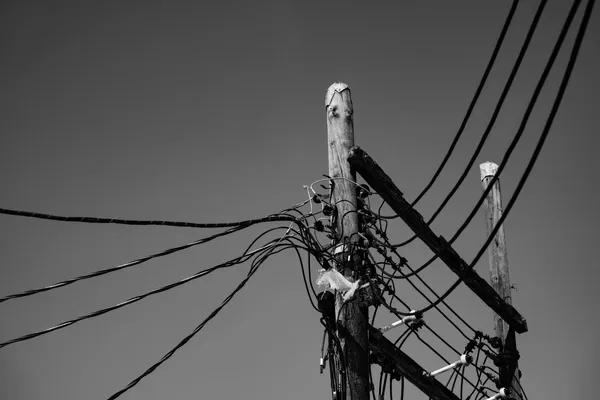
Ground clearance and sag on an aerial fibre run: who recalculates them when the load changes?
ITU-T L.261 (formerly L.89): sag, ground clearance and wind and ice load on the poles of an aerial line — what changes when a second cable is added.
-

Can lightning strike your fibre optic cable?
ITU-T K.47: an all-dielectric cable has a zero protection factor against lightning. Metallic armour changes everything: class, withstand current, earthing.
-

Directly buried fibre cable: how much must it withstand crushing and rodents?
ITU-T L.101 (08/2024) sets crush and impact thresholds for buried cable: for rodents and insects it just says "as agreed".
-

Who can enter a network manhole? Italy’s DPR 177/2011 on contractor requirements
Italian law DPR 177/2011 sets the requirements for working in confined spaces: 30% experienced staff, verified training, DURC, no unauthorised subcontracting.
-

The signal is too strong: when a fibre run needs an optical attenuator
ITU-T L.401 (formerly L.31) and ITU-T G.671: when a receiver goes into overload, how a fixed optical attenuator works, and what to write into the specification.
-
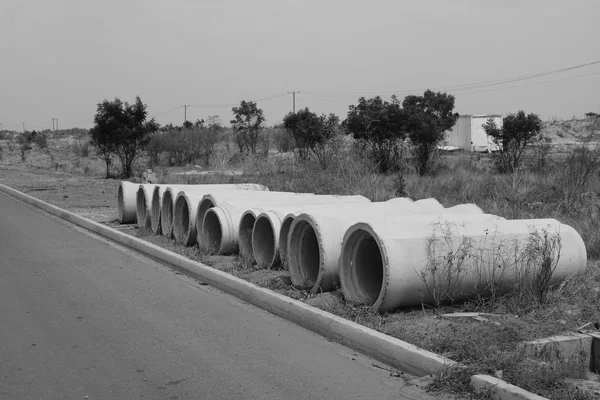
Duct transparency: minimum information in ten working days, free space not included
Regulation (EU) 2024/1309, Article 4: location, use and a contact point within ten working days. Duct occupancy stays optional — the data almost nobody has ready.
-
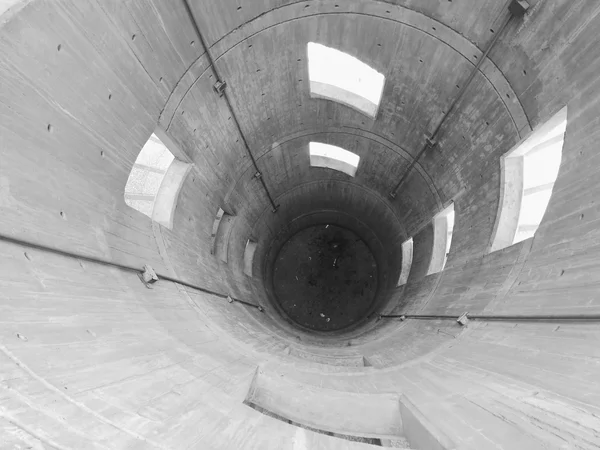
What gets inspected in a telecoms manhole? ITU-T L.340, item by item
ITU-T L.340 lists, item by item, what to inspect in an underground manhole, with which technologies and countermeasures. But where is the record kept?
-

Data centre PUE: what ITU-T L.1302 says, and who actually holds the figure
ITU-T L.1302 (11/2015): the PUE formula, the measurement points and the frequency for a data centre in operation. The data, though, rarely sits in one place.
-

OTDR instrument calibration: the certificate the specification forgets
Specifications ask for bidirectional OTDR testing but rarely for the instrument’s calibration certificate. Why it matters, what to write, what to check at acceptance.
-
Data Act, 12 September 2026: in a month, connected products must open up data by default
In a month, Article 3 of the Data Act requires connected products placed on the market to make their data accessible by default: what changes in the spec.
-

Dark fibre: you characterise it before service, or not at all
ITU-T G.650.3 splits testing into two tiers: commissioning and full characterisation. The second tier has to happen before you sell the run as dark fibre.
-

On a high-power fibre, you do not just plug in the OTDR
ITU-T L.312: above a few hundred milliwatts, personnel safety, test equipment and the order of measurements all change during maintenance.
-

The decree is in the Official Gazette; the 441 pages that bind you are not
MIMIT-PA decree of 28 July 2026, in the Official Gazette on 11 August 2026: SUAP technical specifications v.1.02 now in force, but the 441-page annex sits outside the published text.
-

How often should you inspect a manhole? ITU-T L.330 gives numbers
Frequencies, categories and criteria for outside plant: poles, manholes, conduits, cabinets. And the difference between a yes/no check and a measurement.
-

The alarm threshold is a contract clause, not a setting
ITU-T L.391 says it plainly: the alarm threshold is set case by case. Without that number written into the specification, a monitoring system is just a quotation.
-

The decree funds the repair, not knowing where the cable is
Decree-Law 144/2026, Article 17, funds network repair in Pozzuoli and Bacoli. But where the cable runs is decided only by what was recorded beforehand.
-
Which of these cables is yours? You tap it, and listen from the exchange
ITU-T L.316: identify a cable by tapping it and reading the vibration on a dark fibre, from the exchange. Without interrupting service.
-

Below forty metres you give notice: fifteen days, to the Agency
Law 9/2026, art. 10: anyone working at forty metres or deeper notifies the Agency fifteen days ahead. The decree in force on 8 August makes it operational.
-

“The data centre is in Italy” is not enough: the EU supervisor lists why
EDPS Opinion 14/2026 on the Cloud and AI Development Act: localisation alone does not exclude third-country access. Thirteen factors for your specification.
-

The environmental footprint of artificial intelligence: what ITU-T L.1801 says
ITU-T L.1801 (02/2026): initial training inside production, inference inside use — and why a data centre’s cooling and lighting enter the environmental account.
-

Significant incident at a data centre: the threshold is one hour
Regulation (EU) 2024/2690 sets the NIS2 criteria for data centres: past one hour of limited availability, the incident is significant.
-

Water in the closure: ITU-T L.315 makes it visible to the OTDR
ITU-T L.315: a sensor inside the joint closure turns water ingress into an event the OTDR can read. A 2 dB threshold, response within 24 hours, latching.
-
Coordination of civil works: the request must go in a month before the final project
Regulation (EU) 2024/1309, Article 5: coordinating civil works can be negotiated, but the request must go in a month before the final project.
-

Power cable and fibre sharing a trench: what does the technical standard say?
ITU-T K.19 and K.8: depth, marking, induction and earth potential rise when fibre shares a trench with a power cable.
-
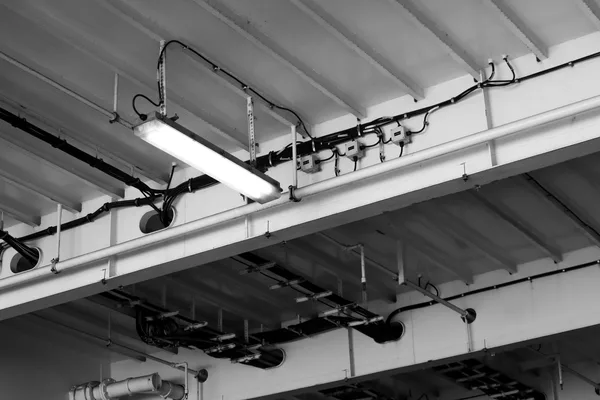
Cable penetrations through fire-sector walls: what ITU-T L.32 says
ITU-T L.32: cable penetrations through fire-sector walls, minimum separation times between sectors, re-enterable firestops, F and T ratings for the specification.
-

Access to existing physical infrastructure: the right has applied since 12 November 2025
Regulation (EU) 2024/1309, Article 3: the right to access existing ducts and tunnels applies from 12 November 2025. Only a written, complete request counts.
-

Fibre permits: if the council does not respond in four months, the permit is granted
Regulation (EU) 2024/1309, Article 8: if the authority does not decide within four months of the complete application, the fibre permit is deemed granted.
-

"99.99% availability" in a specification: is the cable cut in the calculation, or not?
ITU-T G.911: the definition of MTTR, whether the cable is in the model, and path independence — the three inputs that make a declared availability figure verifiable.
-

Data Act: how long does switching to another cloud provider take?
The Data Act adds up to two months’ notice, 30 days of transition and 30 of data retrieval: the real timetable for switching cloud provider, Article 25.
-
Which infrastructure counts as critical for the EU? The European Parliament’s list
Published today, the EU resolution listing cables, masts, satellites, servers and data centres as critical infrastructure: what it means for a specification.
-
What does it mean to write "50G-PON" in a specification, and why that alone isn’t enough
ITU-T G.9804.3 and the February 2026 amendment: upstream option, transceiver option, ODN class, attenuation. The four items "50G-PON" alone doesn’t specify.
-

Data centre sustainability: what will you be able to declare on 15 May 2027?
Delegated Regulation (EU) 2024/1364 sets out the indicators to report: from 15 May 2027 the transitional derogations run out. What to measure, and where, from today.
-

Data Act: does your cloud provider declare the jurisdiction of its infrastructure?
Since 12 September 2025 Article 28 of the Data Act has required providers to declare the jurisdiction of their infrastructure online, service by service. It takes ten minutes to check.
-

Fibre laid without ducting: does ITU-T L.163 guarantee reliability?
ITU-T L.163 lists "best-effort reliability" among its own keywords: what that means for a specification citing direct surface application without ducting.
-

The distribution frame meets its 30 mm bend radius. Do its ports stay traceable over time?
ITU-T L.202 sets a 30 mm minimum bend radius and every connector reachable without disturbing its neighbours: port labelling is only recommended, not required.
-
In a railway tunnel the cable must be B2ca. In a road tunnel, no rule says so.
EU Regulation 2019/776 requires B2ca-s1a,a1 cables in railway tunnels. For road tunnels, no rule sets a fire threshold for cables.
-
A closure is qualified for five re-entries. On the network, who actually counts them?
ITU-T L.201 qualifies optical closures for five laboratory re-entries (IEC 61300-2-33). What to track in the specification beyond that number, re-entry by re-entry.
-
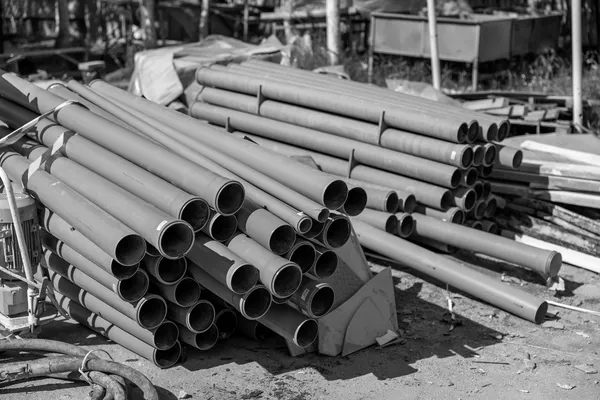
Blown cable in a microduct: how much fill leaves room to blow it again tomorrow?
ITU-T L.108 (ex L.79): the 60% fill ratio is not a requirement of the Recommendation but an informative appendix. What to put in the specification to blow again later.
-
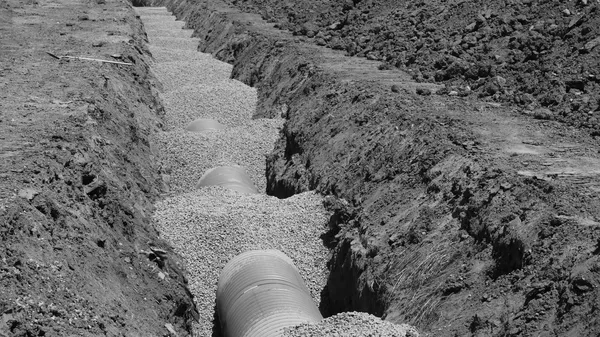
AI Gigafactories: what does the EU call actually require on site connectivity?
The EU tender for AI Gigafactories (EUROHPC-2026-CEI-AIGF-01) sets a multiplier for compute, not for site connectivity: what a specification should require.
-

Fibre already installed: what can still be verified, and what is lost for good?
ITU-T G.652 sets proof stress at 0.69 GPa: a factory test that cannot be repeated once the cable is in the ground. What to log during the pull, what to check at acceptance.
-

APC or UPC: which connector goes in the specification, and why they are not interchangeable
IEC 61755-3-1 and 61755-3-2 (2024 editions), ITU-T G.671 and G.984.2: what the standards actually say about angle, reflectance and ORL, and what to write in a specification.
-

Continuous optical monitoring: how many fibres in the cable are actually being watched?
ITU-T L.302 (formerly L.40): the RFTS architecture, the dedicated-fibre arithmetic, the appendix built on Italian experience, alarm thresholds and what to write into a specification.
-
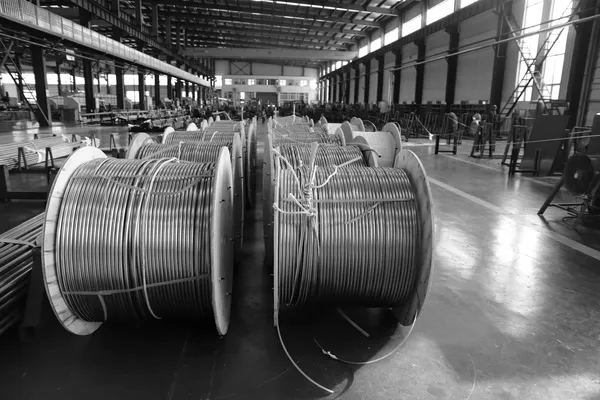
Macrobend or microbend: how to tell them apart on a cable already in the ground
ITU-T G.650.1: bend loss increases exponentially with wavelength. How that separates a bend from a splice using two wavelengths, and what to put in the specification.
-

When Tier 2 fibre testing is needed, and to which standard
Tier 1 measures loss, Tier 2 shows where it is. ISO/IEC 14763-3:2024 and IEC 61280-4-2:2024: which test to demand, and how the reference is set.
-
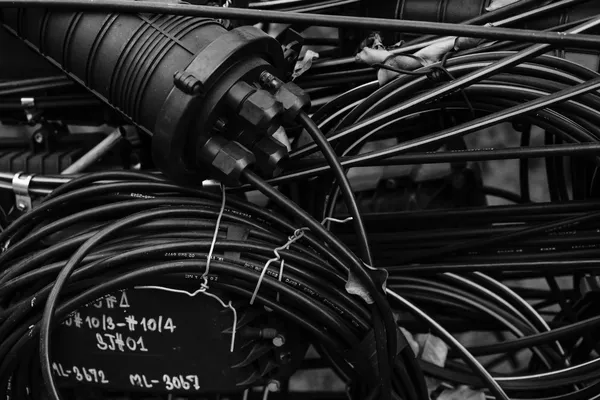
MPO polarity: Method A, B or C, and why the specification must name it
ANSI/TIA-568.3-E sets out MPO polarity methods A, B and C, which are not interchangeable. What to put in the specification, what to check before sign-off.
-
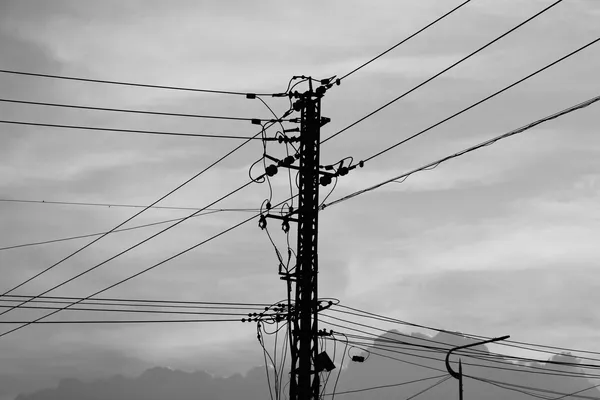
ADSS cable on an electricity pole: which standard goes in the specification?
ADSS is not one single standard: the applicable family changes when the run shares an electricity pole. IEC 60794-4-20, IEC 60794-3-20, ITU-T L.102, and a real cable catalogue.
-
Hollow-core fibre: 90 km instead of 60 between two data centres, and what changes in the specification
24 hollow-core fibres in a 10 mm cable, jetting at 350 ft/min: where the “90 km instead of 60” comes from and which attributes to demand at acceptance.
-
One fibre, three jobs: traffic, certified time and alarms. What changes in the specification
Open Fiber and INRiM will trial certified time, QKD and fibre sensing on the same fibre. What to write about reserved pairs, path asymmetry and splice access.
-
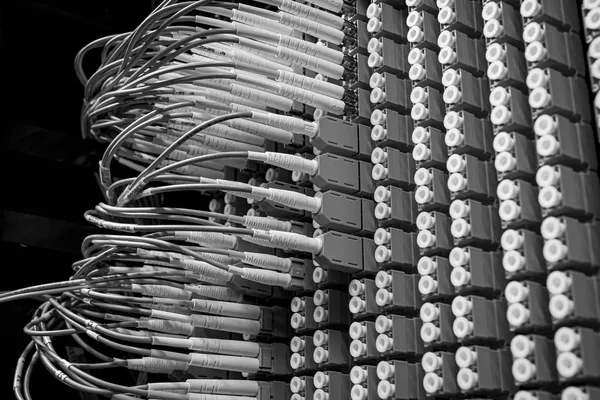
Does Italy-France traffic really go via Frankfurt? Direct interconnection and exchange points
ielo joins MIX in Milan for more direct France-Italy routes. What to specify on peering, cross-connects and genuine path diversity before you sign.
-

SINFI 4.0 and network nodes: one boolean for cyber vulnerability, one for early warning
Network nodes in SINFI 4.0: amplifiers, monitoring, electricity users. For class ND_COM these are proposals still to be agreed, not obligations.
-

Testing multifibre links: loss is not enough, end-face geometry decides
IEC 61300-3-30:2026: end-face geometry of rectangular ferrules, x116 and x132 regions, tables for 16, 24 and 32 fibres. What to put in the specification.
-

B2ca vs Cca vs Dca: which cable class you need, and who decides it
The letter alone decides nothing: what separates one CPR class from the next, who sets the minimum class for a building, and how to check it on the DoP.
-

The closure is IP68. But does it actually seal, and after how many re-entries?
Fibre splice closures: what the IP68 rating does not say, which tests really qualify a closure under ITU-T L.201 and IEC 61753, and what to demand in the specification.
-
SINFI, the Italian national register of network infrastructure: what version 4.0 demands
SINFI is the register every network owner in Italy files to. Specification 4.0, AgID determination 129/2026: transmission medium mandatory to ITU-T, new subsea classes, a status attribute. What to record on site, and who records it.
-

Can you run an OTDR on a live fibre without taking the customer down?
In-service testing: the 1650 nm maintenance band, the cut-off filter at the user end, and the ITU-T L.313 (ex L.66) requirements for your specification.
-

PUCD: what to attach to a data centre application
Italy’s single procedure for authorising data centre projects (PUCD): the first MASE guidance, fees in two transfers, and when the clock restarts.
-

Which technologies reach your address? Your provider now has to tell you
Article 13(1)(b) of decree-law 19/2026: technologies available at the address must be disclosed to consumers. AGCOM reads it as covering rival operators.
-

Fibre connections up to forty metres: eight days’ notice by certified email and the site opens
Article 49, paragraphs 7-bis and 7-ter of the Italian code: ultra-broadband customer connections up to forty metres need one certified email, eight days ahead.
-

New builds and renovations: fibre has been mandatory since 12 February 2026
Regulation (EU) 2024/1309, Article 10: new buildings and major renovations must be fibre-equipped. Who is bound, which exemptions apply, what to specify.
-

Is it dangerous to look into an optical fibre? It depends on what is upstream
Laser safety on fibre networks: IEC 60825-1 and 60825-2, hazard levels at each accessible location, and the duties and penalties of Italy’s d.lgs. 81/2008.
-
Which one is fibre 7 in this cable? It depends on the colour code you are using
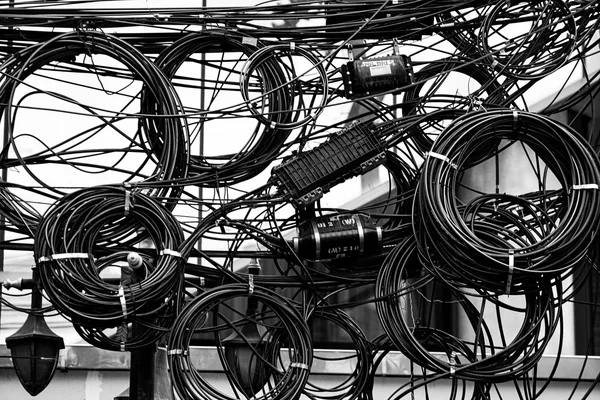
Fibre and buffer tube colour codes: why no universal scheme exists, what IEC TR 63194 and TIA-598 say, and what to demand in the specification and the as-built.
-

Why does a brand-new fibre link fail its test? Look at the connector end face
Contaminated connector end faces: what IEC 61300-3-35:2022 asks for, why loss and reflectance fail together, and what to demand in the specification.
-
Duct installation: what is the maximum pulling tension on an optical fibre cable?
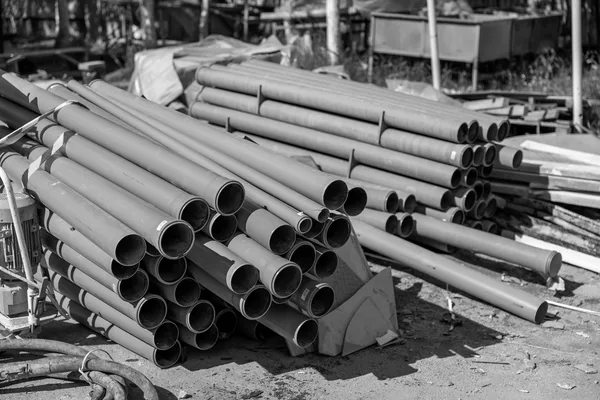
ITU-T L.100 sets the pulling rating at 1.5 times the weight of 1 km of cable, capped at 2700 N: bend diameters, lubricant and when blowing is better.
-
Will the fibre you already have take the step up to 100G and 400G?
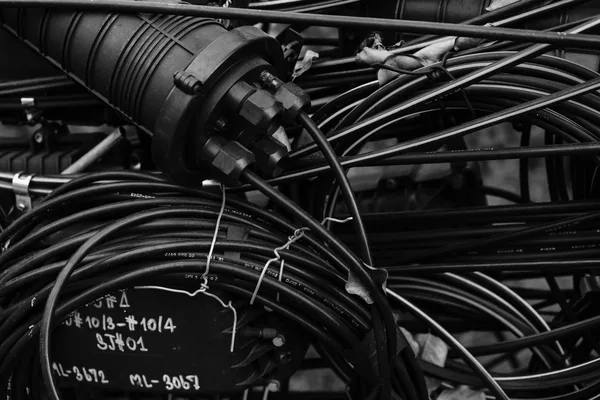
Chromatic dispersion and PMD on runs already in the ground: what coherent transceivers change, what to measure before you decide, and the lines to put in the specification.
-

Data centres of national strategic interest: the Government commissioner
Italy declares Equinix and Cavour Hyperscale Campus of national strategic interest: how the Government commissioner works and what to check before you bid.
-

DWDM or CWDM: which ITU-T grid to link two company sites?
The ITU-T G.694.1 (DWDM) and G.694.2 (CWDM) grids: channels, spacing, and why the multiplexer's loss threshold is set by the specification, not the standard.
-
OTDR dead zones: how to choose the pulse width and stop losing events
Event and attenuation dead zones, pulse width converted into metres, launch fibres of 1-2 km: how an OTDR is set up and what to write into the specification.
-
Huawei and ZTE out of EU networks: the three-year plan
The revised Cybersecurity Act aims to remove Huawei and ZTE from European networks within three years: the real GSMA figures and what to check in tenders.
-

What does Eca mean on a cable? The seven CPR fire classes and the numbers behind them
Regulation (EU) 305/2011 sets seven fire-reaction classes for cables. What FIGRA, THR, smoke, flaming droplets and acidity actually measure, and which threshold separates one class from the next.
-

How many dB does a PON splitter lose? The ITU-T G.671 thresholds
The ITU-T G.671 (11/2025) tables on insertion loss for PON splitters 1:8, 1:16, 1:32 and 1:64: the right values for optical budget and ODN specifications.
-
How Do You Calculate the Optical Budget of a Fibre Link?
The optical budget decides whether a fibre link passes testing: the formula, attenuation values, connectors, splices and the right design margin.
-
Data centres: a single permit, but the 90-day window will not wait
MASE publishes the first rules for the single data-centre permit: a ten-month procedure, but a peremptory 90-day window for the EIA dossier after the STMG.
-

G.652 or G.657: Which Fibre to Specify for Tight Bends?
G.652.D and G.657 A1/A2/B2/B3: minimum bend radii, macrobend loss values in dB and what to specify for dense patch panels, racks and building entries.
-

A Fibre Network Without As-Built Records Is an Asset No One Can Read Anymore.
As-built records, labelling and the fibre asset register: how network documentation cuts fault-repair times and sets the real value of the infrastructure.
-
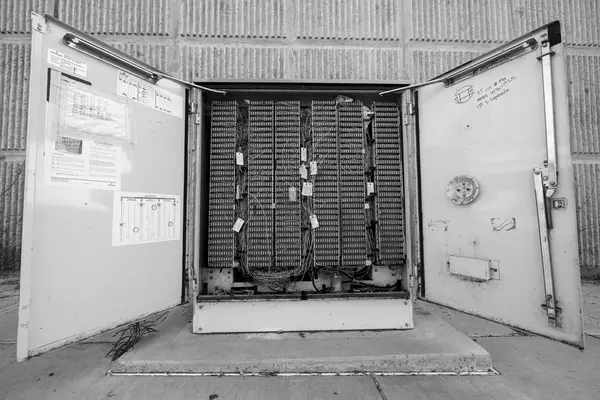
Digital Networks Act: Copper Switches Off Area by Area, Not on One Date
The Digital Networks Act sets 2035 as the threshold for switching off copper, not a single deadline: what changes today for specs and migrations in Italy.
-
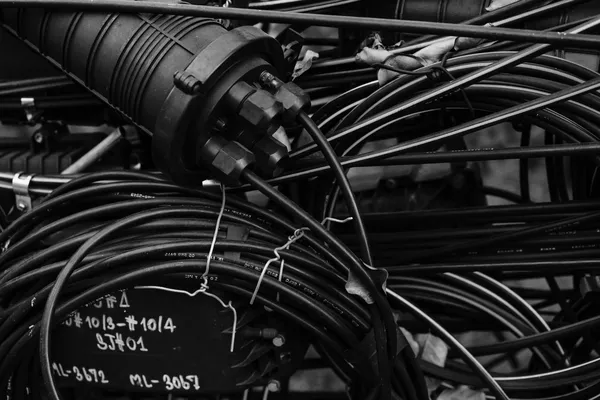
Fibre-Optic Tapping: the Risk Sits in the Splice, Not in the Cable.
Fibre tapping, bend couplers, unattended splice closures: how an optical fibre is actually tapped, and how to detect it before it becomes a problem.
-
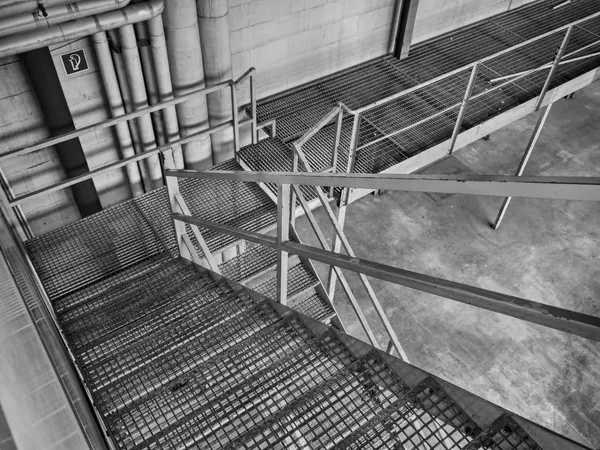
Fibre on the factory floor: why plant networks are not office networks
Electromagnetic immunity, redundant rings, hostile-environment installation: why fibre, not copper, is the standard for industrial networks and Industry 4.0.
-
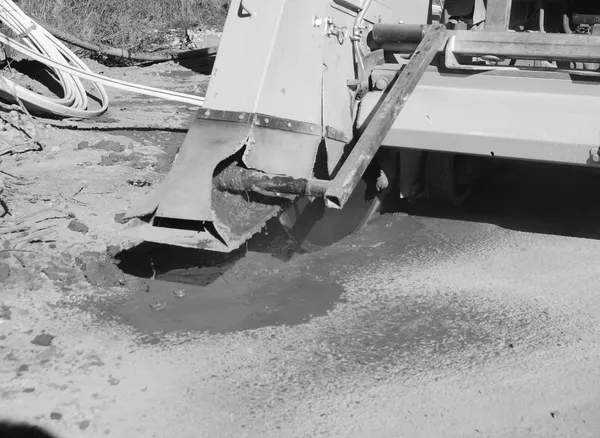
Micro-trenching and mini-trenching: fast fibre laying still follows strict rules.
Micro-trenching and mini-trenching for fibre optics: what the 2013 excavation decree says, which permits are required, and how road reinstatement works.
-

Heading to 800G: Projects Fail on the Cabling, Not the Technology
In 2026 data centres move from 400G to 800G: OM4, OM5, 8, 12 or 16-fibre MPO. Speed is set by the transceivers, but the project is made by the fibre.
-
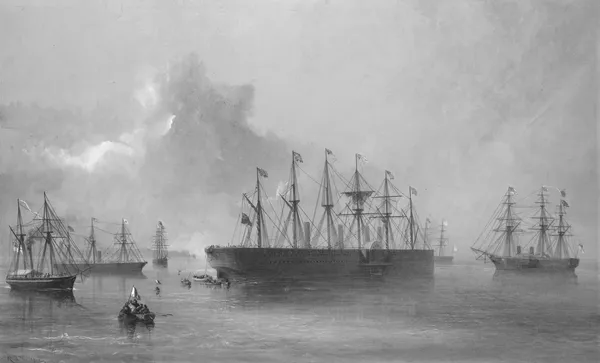
Severed Submarine Cables: Network Resilience Is Physical
Anchors severing cables in the Baltic and the Red Sea, and the EU's plan for cable security: why real redundancy is engineered into trenches, not routers.
-

EN 50600: the four availability classes for a data centre
EN 50600 is the European standard for data centres: four availability classes, redundant pathways, cabling to EN 50173/50174, and what to specify.
-

GPON or XGS-PON: Symmetrical 10-Gigabit Fibre Has Arrived — Is Your Site Ready?
XGS-PON delivers symmetrical 10 Gbit/s on the same fibre: what changes compared with GPON, when it is worth it, and why the bottleneck is internal cabling.
-
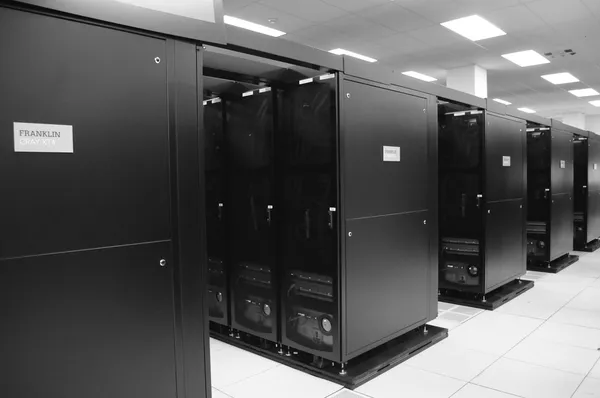
Data centres in Italy: €25 billion, and Milan heading for 1 GW
Record investment in Italian data centres: Milan heading towards 1 GW, double-digit growth driven by AI. What changes for those who cable and connect.
-
Italy 1 Gigabit Plan: Deadline Passed, What Changes for Businesses
June 2026 was the PNRR ultra-broadband deadline: 700,000 addresses deferred to 2030, new tenders and mixed technologies. What to do if you are out.
-
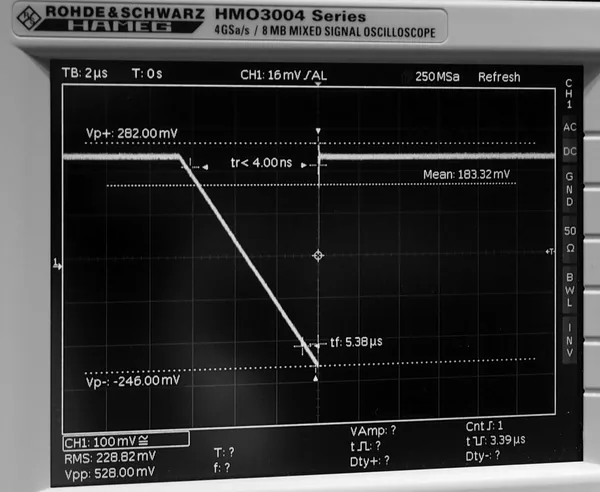
How to read an OTDR test report, and spot a badly run test
Dead zones, pulse width, bidirectional measurement: what an OTDR trace really shows, how to tell a badly run test, and what to ask whoever hands it over.
-

Fusion or mechanical splicing: what to put in the spec
Fusion versus mechanical splicing: typical loss, reflectance and lifespan compared, when mechanical makes sense, and which values to demand in the spec.
The first step
A site survey. Then the numbers.
Tell us the environment and the need; we tell you times, methods and costs. Before we start, not after.
We reply within one business day. Survey and quote are free.